
 English

Views: 0 Author: Site Editor Publish Time: 2026-03-04 Origin: Site


Many buyers assume sprayers for four wheelers are only meant for light-duty, occasional jobs. That idea is understandable because ATV sprayers are often marketed for convenience, mobility, and smaller properties. But in real-world use, the answer is more nuanced: four wheeler sprayers can absolutely handle frequent spraying—if the system is properly sized, correctly configured, and maintained for the workload.
The key difference is not simply “ATV sprayer vs. larger sprayer.” It is whether the sprayer setup matches your acreage, spray frequency, terrain, and application method. A well-matched ATV sprayer can support regular pasture maintenance, fence-line spraying, weed control, and property management work. A poorly matched one may struggle even with moderate use.
ATV sprayers are popular because they are flexible and cost-effective, especially for landowners who need mobility without investing in a full-size spray rig. However, many users still wonder whether they can stand up to repeated use across a season.
A lot of entry-level models are designed for simple tasks and short spraying sessions, which creates the impression that all sprayers for four wheelers are light-duty tools. In practice, product quality varies widely. Some systems are basic and best for occasional applications, while others are built with better pumps, stronger frames, and more durable plumbing for regular use.
This guide explains what actually determines whether an ATV sprayer can handle frequent spraying. It helps you evaluate workload, equipment design, maintenance habits, and upgrade options so you can decide whether your current setup is enough—or whether a different configuration would perform better.
Use frequency matters, but it is only one part of the picture. The real question is whether the sprayer is built and configured for the total workload you expect.
Spraying two acres once a month is very different from spraying multiple zones every week for several hours at a time. When evaluating sprayers for four wheelers, think about total treated area per session, how often you spray during peak season, and how long the pump runs continuously. Frequent short jobs may be easy on the system, while fewer but longer sessions may create more heat, vibration, and component stress.
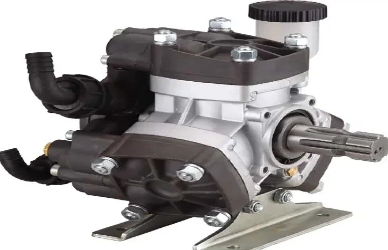
A sprayer’s ability to handle regular use depends heavily on pump quality, tank size, and how the unit is mounted. A strong pump with stable output and proper filtration can hold up well under repeated use. Tank size also matters because a unit that is too small may force constant refills and repeated start-stop cycles, increasing wear. Frame and mounting quality are equally important because vibration and rough terrain can loosen fittings and damage weak supports over time.
The difference between occasional and frequent use is not just more hours on the clock. It changes how quickly wear shows up and how sensitive the system becomes to small setup issues.
When sprayers for four wheelers are used frequently, the pump spends more time running and often operates in more varied conditions. Long runtime, repeated cycling, and hot weather can increase stress on electrical components, seals, and valves. A pump that performs well in short sessions may become less stable during longer runs if it is not designed for that duty cycle.
Frequent towing or rack-mounted travel over uneven terrain increases vibration, shock, and movement in the system. Over time, this can affect hose routing, wiring, nozzle alignment, and mounting hardware. Even if the pump is strong enough, a sprayer can still become unreliable if the mechanical structure is not built for repeated movement and field vibration.
Not all ATV sprayers are built the same. Frequent-use performance usually comes from a combination of better components and better system layout.
For regular use, look for sprayers for four wheelers with dependable pump performance, proper filtration, stable pressure control, and secure hose routing. A well-designed plumbing system reduces leaks, pressure fluctuations, and clogging problems. Good filtration is especially important because repeated use increases the chance that dirt, residue, or tank contamination will affect nozzles and pump components.
A durable tank with solid mounting points and a stable frame helps the sprayer handle frequent transport and vibration. Secure mounts reduce stress on the ATV rack or trailer tongue and help keep the spray pattern consistent by minimizing shifting during operation. Frequent-use setups should be selected as complete systems, not just by gallon size or advertised pressure.
The best configuration for frequent use depends on how and where you spray. A setup that works well for open areas may be inefficient in rough or narrow terrain.
Rack-mount sprayers for four wheelers are compact and convenient, which can make them ideal for tight access areas and shorter jobs. However, for frequent spraying or larger properties, a tow-behind setup may reduce stress on the ATV, improve weight distribution, and allow larger tank capacity without affecting handling as much. The right choice depends on ATV capacity, terrain, and how often you need to refill.
Frequent spraying efficiency also depends on spray method. Boom systems can improve uniform coverage in open areas, while boomless setups may offer flexibility for uneven terrain and wider paths. Wand or handgun spraying is slower but useful for spot treatment and fence lines. Many users get the best results by choosing sprayers for four wheelers that support more than one spray mode, depending on the job.
Frequent use is realistic only if maintenance is consistent. Even a high-quality ATV sprayer can lose performance quickly if cleaning and inspections are skipped.
Before spraying, inspect hoses, fittings, filters, wiring, and nozzles for leaks, looseness, or blockage. After spraying, flush the system and check for residue buildup or damage. For sprayers for four wheelers, these quick checks can prevent small issues from becoming repeated pressure problems, clogs, or pump failures during the busiest part of the season.
Preventive care matters even more with frequent use because wear accumulates faster. Regularly clean filters, inspect nozzles for wear, and replace damaged hoses or seals before they fail in the field. Frequent users should also pay attention to calibration because nozzle wear can change output gradually and reduce application accuracy over time.
Some systems are simply being pushed beyond what they were designed to do. Recognizing that early can save time, money, and frustration.
If your sprayer frequently loses pressure, cycles excessively, overheats, or clogs repeatedly even after cleaning, it may not be a one-time problem. These are common signs that the system is mismatched for the workload. In frequent-use situations, sprayers for four wheelers should run consistently without constant adjustment and troubleshooting.
Cracked mounts, loose brackets, recurring hose failures, or repeated wiring issues can indicate that the sprayer structure is not handling transport stress. If these problems return often, upgrading individual parts may help, but sometimes the better solution is moving to a heavier-duty configuration designed for more regular use.
Yes, in many cases. Upgrading the pump, filters, hoses, or mounting hardware can improve reliability, but only if the base tank and frame are still suitable for the workload.
Yes. Frequent use increases nozzle wear and can gradually change output, so calibration checks should be done more often to maintain accurate application rates.
It depends on your workflow and terrain. One larger setup may improve efficiency and reduce refills, while two smaller units can provide flexibility and backup if one system needs service.
Operator habits make a big difference. Consistent speed, proper cleaning, avoiding dry running, and careful towing on rough terrain can significantly extend the life of sprayers for four wheelers.
Sprayers for four wheelers are not limited to occasional use by default. Many can handle frequent spraying successfully when the system is matched to the real workload, terrain, and spray method. The most important factors are proper sizing, durable components, and a configuration that supports how you actually work.
If you need repeated seasonal spraying for pastures, fence lines, or property maintenance, an ATV sprayer can be a practical and efficient solution. The key is to choose a setup with realistic capacity, maintain it consistently, and avoid pushing a light-duty unit beyond its intended use. When those conditions are met, four wheeler sprayers can deliver reliable performance season after season.