
 English

Views: 0 Author: Site Editor Publish Time: 2026-01-28 Origin: Site


If you're an avid gardener, hobbyist, or small-scale farmer, you know that maintaining a healthy garden, controlling pests, and applying fertilizers are all part of the daily routine. One tool that has proven to be indispensable for these tasks is the Garden Pressure Sprayer. Whether you're dealing with large plants, small potted herbs, or outdoor vegetable beds, a Garden Pressure Sprayer can make your job easier and more efficient. But how do you get the most out of this versatile tool? In this article, we will explore the essentials of using a Garden Pressure Sprayer effectively, including setup, spraying techniques, and best practices to ensure that your plants receive the best care possible.
A Garden Pressure Sprayer is a tool designed to spray liquids like water, fertilizers, pesticides, or herbicides onto plants, flowers, or crops. Typically, these sprayers consist of a tank, a pump mechanism, and a nozzle through which the liquid is sprayed. What sets garden pressure sprayers apart from other sprayers is their ability to generate pressure manually, which forces the liquid through the nozzle and onto the target area with precision.
There are different configurations of Garden Pressure Sprayers to suit various needs:
Manual Sprayers: These are operated by hand-pumping, creating the necessary pressure to release the liquid.
Battery or Motorized Sprayers: These sprayers require less manual effort as the pressure is generated through a motor or battery, making them suitable for larger applications.
Why it’s useful for garden care:
Efficiency: A Garden Pressure Sprayer ensures that liquid is applied evenly and consistently to plants, promoting better growth and pest control.
Portability: Unlike larger sprayers or irrigation systems, handheld garden pressure sprayers are compact, lightweight, and easy to carry, making them ideal for smaller tasks or gardens.
Versatility: They are not only used for watering but are perfect for applying fertilizers, pesticides, herbicides, and fungicides to keep your plants healthy and free from pests.
To get the best results from your Garden Pressure Sprayer, it is important to know how to set it up properly. The following steps will guide you through the setup and pressure-building process.
Fill the Tank: Open the lid of the sprayer and carefully fill the tank with the liquid solution (fertilizer, herbicide, pesticide, or water). Make sure not to overfill the tank; leave some space at the top to prevent spillage when the tank is pressurized.
Close the Tank: Securely close the lid to ensure no leakage during the pressurizing process.
Pump to Build Pressure: Begin pumping the handle repeatedly to build up pressure inside the tank. The more pumps you apply, the higher the pressure. Keep pumping until you feel the resistance from the pressurization.
Adjust the Nozzle: Depending on your application (whether you need a fine mist or a more direct stream), adjust the nozzle accordingly.
Before starting the sprayer, perform these simple safety checks:
Ensure the nozzle is properly attached: A loose nozzle can cause leaks or uneven spraying.
Inspect the hose: Check for any kinks or damage that might hinder the flow of liquid.
Wear protective gear: When using pesticides or herbicides, always wear gloves, goggles, and a mask to protect yourself from harmful chemicals.
To make sure you're using your Garden Pressure Sprayer as effectively as possible, it’s essential to follow a few key techniques that will help you achieve even coverage and avoid wastage.
When using your Garden Pressure Sprayer, it’s important to aim at specific areas that need treatment. Whether you're spraying plants, weeds, or fences, try to focus on the target areas rather than spraying indiscriminately. This will ensure that your chemicals are applied only where needed, minimizing waste and reducing exposure to non-target areas.
Drift occurs when chemicals are carried by wind and land in unintended areas. To minimize drift, spray on calm days and ensure you're spraying at the right time of day (typically early morning or late afternoon). Additionally, adjust the nozzle to provide a targeted spray, rather than a fine mist, if you are working with volatile substances like pesticides or herbicides.
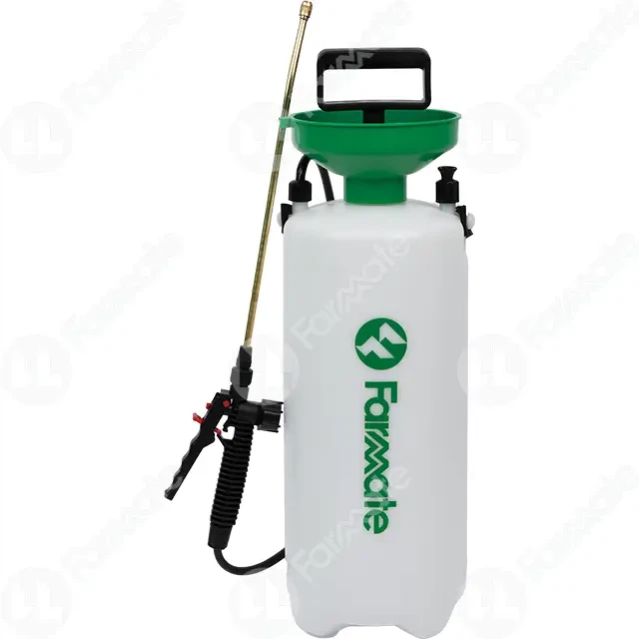
A crucial aspect of using a Garden Pressure Sprayer effectively is knowing which nozzle setting to use based on the task at hand. Different tasks require different spray patterns, and understanding these settings will help you achieve the desired results without over-application or under-application.
Task | Nozzle Setting | Best Practices |
Fertilizing | Medium spray | Even coverage, avoid over-watering |
Weed control | Jet spray | Directed application, target weeds precisely |
Pest control | Mist | Reach leaf undersides and stems |
Using the correct nozzle setting for each task ensures that the liquid is distributed evenly and effectively. For instance, when applying fertilizers, a medium spray ensures even coverage without waste, whereas a jet spray is perfect for targeting weeds in specific areas.
While using a Garden Pressure Sprayer is fairly straightforward, there are some common mistakes that can reduce its effectiveness. Here are a few to watch out for:
One of the most common mistakes is spraying too much liquid, which can lead to wastage and even harm to plants. Always follow the recommended application rates for pesticides, fertilizers, or herbicides. More isn’t always better.
Regular maintenance is essential to keep your sprayer in good working condition. Failing to clean your sprayer after each use can lead to clogs, chemical buildup, and reduced performance. Always rinse the sprayer thoroughly and inspect it before and after each use.
At CHINASPRAYERS, we take pride in offering top-quality Garden Pressure Sprayers designed to make your gardening and farming tasks easier and more efficient. Our sprayers are built with high-quality materials and user-friendly features to ensure excellent performance in various tasks, from watering to pest control.
Key Features of CHINASPRAYERS Garden Pressure Sprayers:
Adjustable Nozzles: Customize your spray pattern for specific needs—whether it’s a fine mist for delicate plants or a jet spray for tougher applications like weed control.
Ergonomic Design: Comfortable handles and easy-to-operate pumps ensure less fatigue during prolonged use.
Durability: Made with strong materials to withstand harsh conditions, our sprayers are built to last.
Lightweight & Portable: Easy to carry and use, whether you're working in the garden, greenhouse, or field.
Using a Garden Pressure Sprayer like a pro involves understanding how to set up, adjust, and operate the sprayer for maximum efficiency. By following best practices, choosing the right nozzle for the task, and maintaining your equipment, you can ensure that your garden receives the best care possible. Whether you're fertilizing plants, controlling pests, or managing weeds, the right sprayer can make all the difference in achieving optimal results. CHINASPRAYERS offers durable, efficient, and user-friendly sprayers designed for professionals and gardening enthusiasts alike. For more information, contact us today and explore our range of durable Garden Pressure Sprayers.
Q1: What is the difference between a manual garden sprayer and a motorized one?
A1: Manual sprayers require physical pumping to build pressure, while motorized sprayers do the work automatically, providing more consistent pressure with less effort.
Q2: How do I maintain my garden pressure sprayer?
A2: Regular maintenance involves cleaning the sprayer after each use, inspecting for wear, and ensuring no clogging in the nozzle.
Q3: Can I use a garden pressure sprayer for both indoor and outdoor tasks?
A3: Yes, Garden Pressure Sprayers are versatile and can be used for both indoor and outdoor applications, including plant care, pest control, and cleaning.
Q4: How do I avoid over-spraying with a pressure sprayer?
A4: To avoid over-spraying, ensure you're using the correct nozzle setting for each task, and follow the recommended application rates for liquids.