
 English

Views: 0 Author: Site Editor Publish Time: 2025-11-20 Origin: Site


Diaphragm Pump technology has emerged as one of the most reliable solutions for safe and efficient chemical handling across a broad spectrum of industries. In chemical processing, agricultural operations, and industrial manufacturing, operators face persistent challenges including chemical leaks, contamination risks, unpredictable flow rates, and frequent downtime due to equipment failure. At Taizhou Sunny Agricultural Machinery Co., LTD., we have designed diaphragm pumps specifically to address these challenges, offering superior performance, safety, and long-term reliability. This article will provide an in-depth look at how diaphragm pumps operate, their advantages in chemical transfer, material considerations, application scenarios, and operational strategies that maximize both efficiency and lifespan.
A diaphragm pump is a type of positive displacement pump that uses a flexible diaphragm to move liquids. Unlike conventional pumps with mechanical seals, diaphragm pumps provide a seal-less pumping method, which is critical when handling aggressive or hazardous chemicals. Their design allows them to handle a variety of fluid types, including corrosive, viscous, or particulate-laden liquids, without risk of leaks or damage to the pump.
Diaphragm pumps function through the reciprocating motion of a diaphragm, which alternates between suction and discharge strokes. During the suction stroke, the diaphragm flexes outward, creating a vacuum that draws chemical fluid into the pump chamber through one-way check valves. On the discharge stroke, the diaphragm pushes the liquid out through another set of valves, delivering a consistent and controlled flow. This mechanism ensures reliable performance across a range of viscosities and enables the pump to handle aggressive chemicals, slurries, and even fluids containing suspended solids.
The design also inherently provides a pulsation-free flow when paired with accumulators or specific check valve arrangements. This is crucial for sensitive chemical processes where pressure fluctuations can compromise product quality or process stability.
The seal-less design of diaphragm pumps eliminates one of the most common failure points in conventional pumps—mechanical seals. Traditional pumps rely on seals that can wear quickly when exposed to corrosive chemicals, causing leaks, operational downtime, and safety hazards. Diaphragm pumps avoid this by isolating the fluid from mechanical components entirely. Coupled with high-performance materials such as PTFE, EPDM, and FKM for diaphragms, these pumps achieve exceptional chemical resistance, even when transferring acids, bases, solvents, or other highly aggressive fluids. This ensures long-term reliability, reduces maintenance frequency, and minimizes safety risks.
Diaphragm pumps are preferred in chemical industries because of their combination of performance characteristics that directly address operational pain points.
Chemical transfer demands that pump materials resist degradation over time. At Taizhou Sunny, our diaphragm pumps use stainless steel, high-grade plastics, and coated metals for all wetted components. These materials are carefully selected based on the chemical composition of the fluids being transferred. For example, PVDF or polypropylene pump heads may be used for highly corrosive acids, while stainless steel is often ideal for neutral or mildly corrosive chemicals. The result is extended equipment life, reduced maintenance costs, and protection against contamination or chemical leakage.
One of the most notable features of diaphragm pumps is their ability to self-prime. They can lift liquids from below the pump level without requiring additional priming equipment. This feature is invaluable in applications where chemical storage tanks are located below the pump or where suction conditions fluctuate. Furthermore, many diaphragm pumps are tolerant of short dry-run periods without suffering damage. This capability allows operators to manage unexpected interruptions in liquid supply without incurring costly pump repairs.
Diaphragm pumps provide consistent flow and pressure even under variable inlet conditions. This ensures precise chemical dosing, safe handling of sensitive fluids, and reduced risk of over-pressurization or cavitation. The inherent flexibility in pressure handling makes these pumps suitable for batch processing, continuous chemical transfer, and dosing applications across industrial, agricultural, and food-processing environments.
Diaphragm pumps can also manage high-viscosity chemicals, slurries, or liquids containing particulate matter. The flexible diaphragm and check valve system allow these pumps to move such challenging fluids without clogging, damaging internal components, or interrupting production processes. This is particularly advantageous in industries like wastewater treatment, chemical manufacturing, or fertilizer production, where the fluids may vary in composition or density.
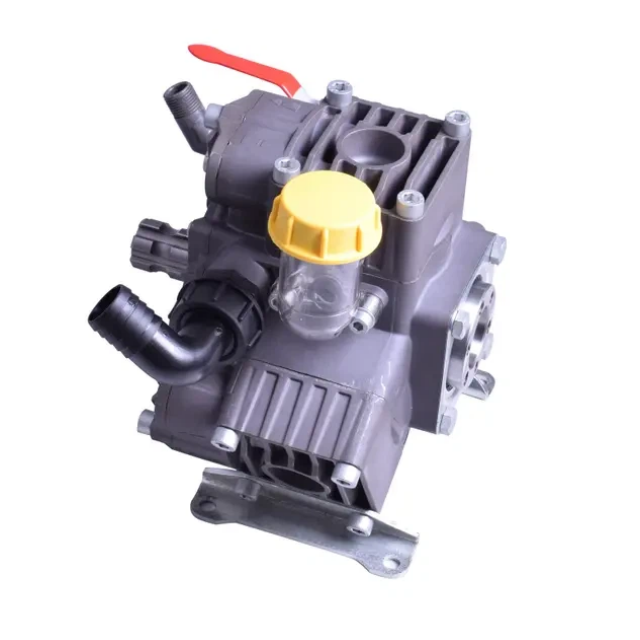
Diaphragm pumps are highly versatile and suitable for numerous industrial chemical transfer applications. Their design and performance make them a critical component for operations requiring safe and reliable fluid handling.
In chemical processing plants, precise batching and fluid transfer are vital. Diaphragm pumps enable operators to move chemicals from storage tanks to reactors or mixing vessels with minimal spill risk. The stable flow ensures accurate dosing, reduces waste, and maintains process efficiency, which is crucial for both small-scale production and large industrial operations.
Handling highly corrosive acids or alkalis requires pumps that can withstand aggressive chemicals without degradation. Diaphragm pumps from Taizhou Sunny are constructed from corrosion-resistant materials and feature a seal-less design, making them ideal for acid and base transfer. These pumps protect both operators and equipment from potential exposure or damage while ensuring a safe, controlled flow.
Volatile and hazardous chemicals such as solvents, flammable liquids, and other toxic substances require careful handling. Diaphragm pumps provide smooth, pulsation-free flow that minimizes aerosol formation and exposure risk. Their chemical-resistant construction also ensures containment of aggressive fluids, aligning with strict workplace safety regulations and environmental protection standards.
Diaphragm pumps are also suitable for applications requiring sanitary operation, such as food additives, beverages, or pharmaceutical chemicals. With smooth, easy-to-clean surfaces and sanitary fittings, diaphragm pumps prevent contamination and facilitate compliance with hygiene standards. Their versatility allows them to be used in both industrial chemical processing and sensitive food-grade operations.
Selecting the appropriate materials and design elements is critical for safe chemical transfer. Diaphragm pumps offer extensive options to match chemical properties and operational requirements.
PTFE diaphragms: Ideal for highly corrosive acids, alkalis, and strong solvents due to their exceptional chemical resistance and low permeability.
EPDM diaphragms: Suited for water-based chemicals, mild acids, and alkalis, providing flexibility and durability in medium-corrosion environments.
FKM diaphragms: Optimized for hydrocarbon-based fluids, oils, and fuels where chemical compatibility and temperature resistance are critical.
Correct diaphragm selection ensures chemical integrity and prevents early wear, leaks, or contamination of the transferred fluids.
The parts in direct contact with chemicals—pump heads, valves, housings, and fittings—must resist chemical attack. Stainless steel, PVDF, polypropylene, and coated metals are standard options, allowing pumps to operate reliably under harsh conditions. This construction reduces corrosion, prolongs equipment life, and protects the quality of transferred chemicals.
For applications involving food-grade, pharmaceutical, or other sensitive fluids, diaphragm pumps can be fitted with sanitary connections and smooth surfaces to facilitate cleaning. This design prevents cross-contamination, maintains fluid purity, and complies with stringent hygiene regulations.
At Taizhou Sunny Agricultural Machinery Co., LTD., our diaphragm pumps are engineered to meet the demanding needs of chemical transfer across multiple industries.
Corrosion-Resistant Construction: High-quality stainless steel, coated metals, and chemically compatible plastics ensure long-lasting operation, even with aggressive chemicals.
Self-Priming and Dry-Run Tolerance: Pumps maintain operation under varying suction conditions and tolerate short dry runs, reducing downtime and enhancing safety.
Stable Flow and Pressure: Smooth and consistent output prevents process fluctuations, ensuring safe handling of sensitive or hazardous chemicals.
Low Maintenance and Durability: Minimal routine maintenance and extended diaphragm life reduce total cost of ownership and keep production lines running efficiently.
By integrating these features, Taizhou Sunny diaphragm pumps deliver reliable, safe, and efficient chemical transfer, giving customers peace of mind in both everyday operations and critical industrial applications.
Optimizing the installation and maintenance of diaphragm pumps ensures safe and long-lasting operation.
Position suction lines to minimize lift and avoid air locks.
Install strainers to prevent debris from entering the pump chamber.
Ensure proper alignment and support of piping to reduce mechanical stress.
Inspect diaphragms, check valves, and seals periodically for wear.
Clean wetted parts to remove chemical residues and prevent buildup.
Schedule diaphragm replacement based on operational hours and chemical compatibility.
Use appropriate personal protective equipment when handling chemicals.
Ensure pumps are installed in ventilated areas when transferring volatile or hazardous liquids.
Monitor pressure and flow rates to prevent over-pressurization and potential leaks.
For industries requiring safe, reliable, and versatile chemical handling, diaphragm pumps from Taizhou Sunny Agricultural Machinery Co., LTD. provide an unmatched solution. Their seal-less design, corrosion-resistant materials, and adaptable performance make them indispensable for chemical transfer applications, from aggressive acids and bases to sensitive solvents and food-grade fluids. By ensuring smooth operation, reduced contamination risk, and minimal downtime, our diaphragm pumps help operators maintain efficiency, safety, and productivity. Contact us today to explore our full range of diaphragm pump models, request technical specifications, or order a sample to experience the quality and performance firsthand.
Q1: What chemicals are compatible with diaphragm pumps?
A1: Diaphragm pumps can safely transfer acids, bases, solvents, oils, and other hazardous fluids depending on diaphragm and wetted-part materials.
Q2: Can diaphragm pumps handle abrasive or viscous liquids?
A2: Yes, the flexible diaphragm and check valves allow safe transfer of viscous, particulate-laden, or slurry-type liquids without clogging.
Q3: How long do diaphragms typically last?
A3: Lifespan depends on chemical compatibility and operational hours, but routine inspection and replacement ensure reliable performance.
Q4: Are diaphragm pumps suitable for food-grade applications?
A4: Yes, with sanitary fittings and smooth surfaces, diaphragm pumps maintain hygiene and prevent contamination in food or pharmaceutical fluids.