
 English

Views: 0 Author: Site Editor Publish Time: 2025-12-17 Origin: Site


If you use a boom sprayer with a 200 gallon tank, and you set your application rate at 10 gallons per acre, you can cover about 20 acres with one tank. The area you actually cover depends on things like how fast you drive, the size of the nozzle, and how much spray you use. Some nozzle types and higher spray amounts can help you cover more acres. If you go faster, you might cover fewer acres with each tank. Remember this easy formula: sprayer capacity divided by application rate tells you how many acres you can spray. Use this guide to figure out your own coverage, whether you spray row crops or use an orchard sprayer.
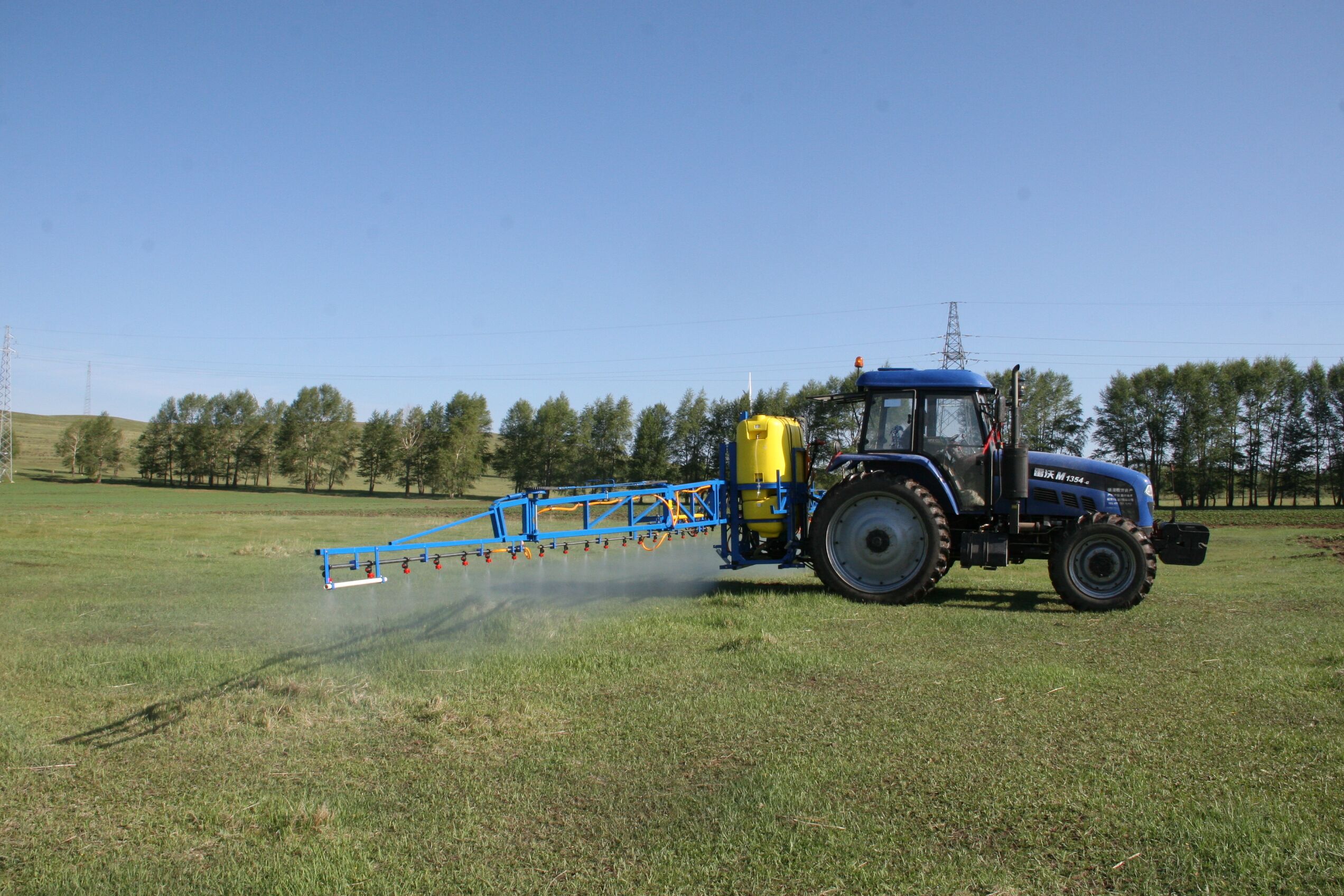
A 200-gallon boom sprayer can cover 20 acres. This is when you use 10 gallons for each acre. If you change the rate, the area you cover will change too.
You can use a simple formula. Divide the sprayer capacity by the application rate. This tells you how many acres you can spray. It helps you plan your work well.
Things like speed, nozzle size, and spacing matter a lot. If you go slower, you get better results. Setting the nozzles right also helps.
Always check your sprayer settings before you start. This stops you from running out of spray. It helps you cover your crops the best way.
Calibrate your sprayer often to keep it accurate. This stops you from using too much spray. It makes sure you cover everything evenly.
When you use a boom sprayer with a 200 gallon tank, you probably want to know how many acres you can cover before you need to refill. Most people set their application rate at 10 gallons per acre. With this setting, your sprayer covers about 20 acres with one full tank. This number gives you a good starting point, but your actual coverage area can change if you adjust your speed, nozzle size, or spray more or less per acre.
If you use an orchard sprayer, you might see different results because the spray pattern and target area can change. Always check your settings before you start. You want to make sure you get the best coverage possible for your crops or fields.
Tip: Always double-check your sprayer capacity and application rate before you fill your tank. This helps you avoid running out of spray in the middle of a job.
You can figure out how many acres you will cover with a simple formula. This formula works for most boom sprayers and helps you plan your work.
Take your sprayer capacity (in gallons).
Divide it by your application rate (gallons per acre).
The answer tells you how many acres you can spray with one full tank.
For example, if your tank holds 200 gallons and you spray at 10 gallons per acre:
200 gallons ÷ 10 gallons per acre = 20 acres per tank
You can use this formula for any tank size or application rate. Just plug in your numbers.
Here is a quick table to help you see how the formula works:
Sprayer Capacity (gallons) | Application Rate (GPA) | Acres Covered per Tank |
|---|---|---|
200 | 10 | 20 |
200 | 15 | 13.3 |
200 | 20 | 10 |
You can also use other formulas if you want to get more detailed. For example, you can calculate gallons per acre using your boom width and the area you cover. Here is a common formula:
Formula | Description |
|---|---|
GPA = (gallons sprayed x 43,560) / (Boom width (ft.) x distance (ft.)) | Calculates gallons per acre based on the area covered and boom width. |
If you want to prepare your spray mixture, multiply the number of acres you plan to cover by the herbicide rate from the label. This helps you mix the right amount for your job.
Note: These formulas work for most field and orchard sprayers. Always check your equipment manual for special instructions.
Now you know how to use your sprayer capacity and application rate to plan your coverage. This makes your spraying jobs easier and helps you avoid waste.
When you use a boom sprayer, several things can change how many acres you cover with each tank. You might think the math is simple, but real-world spraying is not always perfect. Your coverage area depends on more than just tank capacity and application rate. Let’s look at what really matters.
Application rate means how many gallons you spray on each acre. If you set your sprayer to use more gallons per acre, you will cover fewer acres before you need to refill. Lower rates let you spray more acres with the same tank. Different crops need different rates. For example, row crops often use 7 to 10 gallons per acre, while orchard sprayer jobs might need more.
Here’s a quick table to show how nozzle spacing changes the application rate:
Nozzle Spacing | Application Rate (gallons per acre) |
|---|---|
30 inches | 7 to 10 |
15 inches | 14 and higher |
You should always check the label for your crop and adjust your sprayer settings to match.
Speed and nozzle size play a big role in coverage. If you drive faster, you might miss spots or spray unevenly. Slower speeds help you get better coverage, especially with contact herbicides or fungicides. Some chemicals work best when you move quickly, but others need careful, even spraying.
Speed matters most when you need to finish before weeds get too tall.
Uniform coverage is important for products that need to touch every leaf.
Match your speed to the type of chemical you use.
Nozzle size and design also affect how well you cover your area. Wider fan angles give you a bigger spray pattern, so you cover more ground. Closer nozzle spacing means more overlap, which helps with even coverage. If your nozzles wear out, you might see uneven spray and wasted product.
Here’s a table showing how nozzle features impact coverage area:
Factor | Impact on Coverage Area |
|---|---|
Nozzle Fan Angle | Wider angles increase spray width, boosting coverage. |
Nozzle Spacing | Closer spacing improves overlap and coverage. |
Boom Height | Higher booms allow more overlap, but wind can move the spray off target. |
Wear of Nozzles | Worn nozzles cause uneven coverage and bigger droplets. |
Operating Pressure | Lower pressure makes bigger droplets and can lead to poor coverage. |
Note: Wind and terrain can change your results. If you spray on a windy day or uneven ground, you might not get the coverage you expect. Advanced sprayers can adjust boom height to help with these problems, but you should always watch for changes in wind and field shape.
Real-world spraying is not always the same as what you calculate. You might cover fewer acres if conditions change or if your equipment is not set up right. Always check your coverage area after spraying to make sure you get the results you want.

Before you start spraying, you need to collect some important details about your boom sprayer. These settings help you figure out how many acres you can cover with your tank capacity. Here’s what you should check:
Travel Speed: Measure how fast you drive over a set distance. Use a stopwatch and a marked course.
Nozzle Selection: Count the number of nozzles and make sure they match your desired application rate.
Nozzle Spacing: Measure the distance between each nozzle. This tells you the width you spray with each pass.
Sprayer Output: Catch water from each nozzle for a set time to check the flow rate.
Spray Coverage: Use water-sensitive cards to see if you get good coverage on your target area.
Tip: Always use clean water for calibration. This keeps your orchard sprayer or field sprayer working well and helps you avoid mistakes.
Now you’re ready to calculate how many acres you can spray with your boom sprayer. Follow these steps:
Choose Your Application Rate: Look at the pesticide label and pick a rate that works for your crop.
Set Your Speed: Drive at a steady pace. This keeps your coverage area even.
Measure Nozzle Width: Find out how wide your sprayer covers with each pass.
Calculate Nozzle Flow Rate: Use this formula:
GPM = (GPA × Speed × Width) ÷ 5,940
GPM is gallons per minute, GPA is gallons per acre, Speed is in miles per hour, and Width is in inches.
Pick the Right Nozzles: Check the manufacturer’s chart to match your flow rate.
Let’s look at some example calculations for different scenarios:
Row Crops: If your application rate is 10 gallons per acre and your tank holds 200 gallons, you can spray 20 acres.
Pastures: With a wider nozzle spacing and a rate of 15 gallons per acre, your coverage drops to about 13 acres per tank.
Lawns: For a smaller area and a rate of 20 gallons per acre, you’ll cover 10 acres before refilling.
Remember, changes in speed, nozzle size, or spray angle can affect your coverage. Always double-check your settings before you start.
You can use these steps for any sprayer, whether you have a boom sprayer or an orchard sprayer. This method helps you get the most out of your tank capacity and makes sure you cover your area evenly.
You might wonder how a 200 gallon boom sprayer works in real life. Let’s look at some common uses. If you spray row crops, you can cover a big area before you need to refill. Many farmers use a 200 gallon tank for large fields. When you set your sprayer at 30 PSI and drive at 5 MPH, you can cover up to 27 acres in one go. This makes it easy to finish big jobs fast.
If you work on pastures, you get similar results. The wide boom helps you spray grass and weeds over a large coverage area. For lawns, you can use the same sprayer, but you might set a higher application rate. This means you cover fewer acres, but you get better results for thick grass.
A 200 gallon sprayer covers up to 27 acres at 30 PSI and 5 MPH.
Great for row crops, pastures, and lawns.
You can adjust your settings for different jobs or use an orchard sprayer for trees.
Tip: Always check your tank capacity and adjust your speed for the best coverage.
You can use this table to see how many acres you can spray with a 200 gallon tank at different rates. Just find your application rate and see your coverage.
Application Rate (GPA) | Acres Covered per 200 Gallon Tank |
|---|---|
7 | 28.6 |
10 | 20 |
15 | 13.3 |
20 | 10 |
25 | 8 |
This table helps you plan your work. If you use an orchard sprayer, your numbers might change because trees need more spray. Always check your settings before you start. You want to make sure you cover the right area and get the best results.
You can figure out your coverage area fast with a 200 gallon boom sprayer. Just follow these steps:
Use the coverage formula to match your field size and shape.
Try the 1/128-acre method for easy calibration.
Check your sprayer settings often for accuracy and efficiency.
Regular calibration helps you avoid over-application and keeps your nozzle flow rates steady.
Don’t forget to inspect your orchard sprayer and maintain consistent speed for best results.
Want more tips? Explore worksheets and fact sheets for boom sprayer calibration.
You just divide your sprayer capacity by your application rate. This quick calculation helps you plan your work and avoid running out of spray in the middle of a job.
Most people see average coverage of about 20 acres per tank when they set the application rate at 10 gallons per acre. You can adjust this by changing your settings.
You can use an orchard sprayer for lawns or pastures, but you need to check the spray pattern and adjust the application rate. Different jobs need different coverage, so always calibrate before you start.
Sprayer capacity tells you how much liquid you can carry. If you know your tank size, you can plan your spraying and make sure you cover the whole field without stopping too often.
Speed changes your coverage. If you drive faster, you might miss spots or use more spray. Slower speeds help you get even coverage and better results.