
 English

Views: 0 Author: Site Editor Publish Time: 2026-09-15 Origin: Site


Equipment downtime is never just a simple mechanical frustration. It poses a direct threat to project timelines, crop health, and overall efficiency. When spraying equipment breaks in the field, every lost hour hurts your profitability. Troubleshooting these complex systems requires a highly systematic approach. We must carefully isolate variables across the water supply, the pump mechanism, and the delivery hardware. Guesswork only leads to wasted money and repeated failures.
We designed this guide to provide a clear, evidence-based diagnostic framework. You will learn to identify subtle failure signs and execute field repairs safely. Our methods rely on proven industry standards to keep your machinery running smoothly. By following these steps, you minimize disruptions and extend the lifespan of your vital equipment. We will also help you evaluate exact scenarios to determine when buying a replacement is the smartest business choice.
Pressure inconsistencies (surging or low PSI) are most frequently caused by restricted water supply, worn nozzles, or unloader valve failures.
Power sprayer pump degradation often reveals itself through milky oil (seal failure) or excessive vibration (cavitation), requiring immediate intervention to prevent catastrophic failure.
Agricultural power sprayer systems face unique chemical corrosion risks, making routine flushing and filter maintenance non-negotiable.
Repair vs. Replace: If pump repair costs exceed 50% of the unit's replacement value, investing in a new, high-efficiency power sprayer is generally the safer business decision.
Inconsistent pressure creates massive operational hurdles. It leads to uneven liquid application and wastes expensive chemical mixtures. Labor time also spikes because workers struggle to maintain proper coverage. Addressing power sprayer pressure issues immediately protects your daily workflow. Ignoring these fluctuations often strains the engine and forces premature mechanical wear.
Sometimes the engine runs perfectly at full throttle. Yet, the final spray output feels incredibly weak. This mismatch usually points to a severe inlet restriction. Operators frequently blame the pump first, but the water source is usually the culprit.
Follow these diagnostic steps:
Verify the inlet water supply. Check the flow rate in Gallons Per Minute (GPM). It must meet or exceed the minimum specifications of your pump.
Inspect the inlet water filter screen. Remove any trapped debris, rust particles, or algae buildup blockages.
Examine the spray nozzle closely. Look for distorted orifices or severe metal wear. High-velocity water naturally widens nozzle holes over time.
Resolution requires swift action. Clean all filters using a soft brush. Upgrade to heavy-duty, high-flow supply hoses to prevent accidental kinking. Replace worn nozzles immediately to restore the original spray pattern and regain maximum impact force.
You pull the spray gun trigger. Suddenly, pressure spikes violently and drops in a rhythmic pattern. This surging behavior destroys internal components quickly. It creates hydraulic shocks inside the manifold.
Use these diagnostic methods to find the root cause:
Test all inlet plumbing for tiny air leaks. Air ingestion causes severe cavitation risks inside the fluid chamber.
Inspect the unloader valve closely. Look for a sticking internal piston or flattened sealing rings.
Check internal pump check-valves. Search for small pebbles or mineral debris propping the valves open.
To fix these issues, tighten all inlet hose clamps firmly. Rebuild the unloader valve using a factory repair kit. If the brass is heavily scored, replace the valve entirely. Clear all internal pump blockages carefully to restore smooth operation.
The pump serves as the beating heart of your machine. It represents the most expensive and critical component in the entire system. Spotting early warning signs prevents catastrophic write-offs. Early intervention keeps your seasonal repair costs highly manageable.
Always inspect the pump oil sight glass before every single use. If the oil looks milky or cloudy, you have a massive problem. The internal water seals have breached completely. High-pressure water is actively mixing into the oil crankcase.
Stop operation instantly. Running compromised oil destroys precision bearings within minutes. You must rebuild the power sprayer pump using a complete seal kit. Drain the crankcase and replace the contaminated oil thoroughly. If you discover deep scoring on the brass cylinders, replacing the entire pump assembly often costs less than attempting a complex rebuild.
Common Mistake: Many operators ignore tiny oil drips under the pump. Small leaks always evolve into catastrophic seal blowouts. Address minor drips immediately.
Occasionally, the pump suddenly dumps hot water from its thermal bypass valve. This action indicates the safety relief system activated properly to prevent internal damage.
The primary root cause involves poor operator habits. Leaving the machine running in bypass mode (engine on, trigger released) for over three minutes is highly dangerous. Trapped water recirculates and superheats rapidly. The thermal relief valve dumps this boiling water to prevent seal meltdown.
Always turn off the engine during extended idle periods. Train your staff to shut down equipment during breaks. If the thermal relief valve leaks continuously during normal spraying, the internal spring has failed. Replace the valve immediately to maintain full operating pressure.
High-pressure delivery components take extreme abuse on job sites. Hoses, wands, and guns function as standard wear-and-tear items. Ignoring leaks here poses severe bodily safety risks. High-pressure injection injuries require immediate emergency room visits. Maintaining these exterior parts is crucial for safe daily operation.
Leaks usually isolate themselves at specific connection points. Watch for dripping at quick-connect fittings, the spray gun swivel, and the wand extension joints. These joints endure constant movement, dragging, and twisting forces.
Always depressurize the system entirely before attempting any service. Shut off the engine and squeeze the trigger to release trapped pressure. Disconnect the leaky joint carefully. Inspect the small internal O-ring for tears or flattening. Replace damaged O-rings immediately. We highly recommend using premium Viton or Teflon O-rings. They offer superior chemical resistance compared to cheap standard rubber options.
A faulty spray gun creates unpredictable job site hazards. The trigger might fail to shut off the water completely. Alternatively, it might feel incredibly stiff and hard to squeeze, causing hand fatigue.
Start by flushing the gun mechanism with clean, warm water. Hard water mineral deposits often jam the sliding internal pins. If flushing fails to resolve the stiffness, open the plastic gun housing. Inspect the internal brass valve block. If the brass shows deep pitting or scratching, stop trying to fix it. Replacing the entire spray gun is much safer. It is also usually cheaper than purchasing individual internal rebuild components.
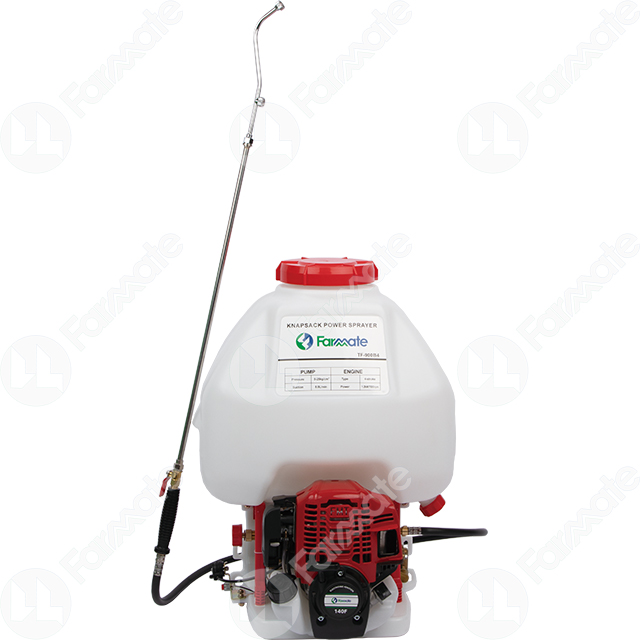
Farming applications introduce incredibly harsh working environments. Operators routinely pump aggressive herbicides, strong pesticides, and heavy liquid fertilizers. Standard commercial units often corrode rapidly under these aggressive conditions. You need a dedicated agricultural power sprayer designed for maximum chemical resilience.
Caustic farming chemicals aggressively attack standard Buna-N rubber seals. They also eat away at exposed aluminum pump manifolds. Leaving harsh chemicals sitting inside the machine overnight accelerates this damage drastically.
Inspect your hoses and pump heads routinely. Look for white, chalky crystallization around pipe threads after storage periods. This crystalline residue indicates active, ongoing chemical corrosion.
You must mandate a daily neutralizing flush post-application. Run clean water mixed with an approved neutralizing agent through the entire system. This simple daily habit prevents hard scale buildup. It effectively doubles the lifespan of your internal seals and prevents costly mid-season breakdowns.
Matching your pump architecture to your chemical viscosity is absolutely crucial for longevity. Plunger pumps push extremely high pressure. However, they struggle heavily when pumping abrasive liquids or suspended solids.
Diaphragm pumps separate the pumped fluid from the mechanical oil bath. They utilize a flexible internal membrane to move liquids. This smart design makes them highly resilient against abrasive agricultural chemicals. They handle wettable powders and thick fertilizers without excessive wear. Evaluate your daily chemical usage carefully. Switching to a diaphragm setup often reduces seasonal maintenance downtime drastically.
Feature Dimension | Plunger Pumps | Diaphragm Pumps |
|---|---|---|
Ideal Application | Clear water, mild detergents | Harsh chemicals, wettable powders, fertilizers |
Maximum Pressure Output | Very High (3000+ PSI) | Moderate (Up to 700 PSI) |
Abrasion Resistance Level | Low (Susceptible to scoring) | High (Membrane protects mechanics) |
Routine Maintenance Needs | Frequent packing and seal checks | Occasional membrane replacement |
Throwing good money after bad equipment drains your operational budget. Sometimes fixing an old, worn-out unit creates more headaches than it prevents. You need a clear, objective framework to make profitable fleet management decisions.
Industry equipment experts rely heavily on the "50% Rule" for maintenance choices. You must calculate the comprehensive total cost of your proposed repair. Include the replacement parts, new valves, shipping fees, and local labor rates.
If this grand total exceeds half the cost of a brand new machine, choose replacement. Buying a new Power Sprayer resets your maintenance schedule completely. It also guarantees reliable, uninterrupted operation during your busiest peak harvest seasons. Old machines often suffer cascaded failures. Once you fix the pump, the engine might fail next week.
Your business needs evolve constantly over time. Evaluate if your current flow rates still meet new daily operational demands. An underpowered machine wastes valuable labor hours every single day. Upgrading your equipment allows your crew to work faster and more efficiently.
Also, consider new environmental compliance regulations in your area. Many municipalities now restrict gas emissions and job site noise levels. Upgrading from loud gas engines to commercial electric models makes perfect sense for indoor work. Greenhouse environments demand emission-free spraying solutions to protect plant health.
Direct your attention to mapping out your exact failure point. Use the diagnostic steps detailed above to pinpoint the broken component precisely. Check local dealership and online part availability immediately. Compare the expected repair downtime against deploying a new unit today.
If full replacement makes financial sense, act decisively. Consult an equipment sales engineer to match performance specifications properly to your workflow. You can also browse a digital replacement catalog to find modern, highly efficient models designed for your specific industry application.
A: Frequent shutdowns often point to engine sensor issues. Gas engines feature a low-oil shutdown switch. If the crankcase oil drops too low, the engine cuts out to prevent internal damage. You should also check the fuel lines for dirt clogs. For electric models, verify your power source. An overloaded extension cord or a tripped GFCI breaker will instantly halt the motor.
A: You should always consult your specific OEM manual for exact intervals. Generally, you must change the pump oil after the first 50 hours of initial break-in usage. After this first change, schedule regular maintenance. Replace the oil every three to six months. Alternatively, change it every 500 hours. Follow whichever milestone happens first to ensure optimal lubrication.
A: Standard residential units will fail quickly if exposed to harsh agricultural chemicals. Caustic fluids destroy regular seals. You must only use specifically rated agricultural units. These specialized machines feature chemically resistant seals made from materials like Viton. They also use diaphragm pump designs rather than plunger pumps. This specific construction prevents rapid internal degradation from abrasive fertilizers and wettable powders.